
Skin Cancer Screening in Sierra Vista: What Arizona’s Altitude Means for Your Risk
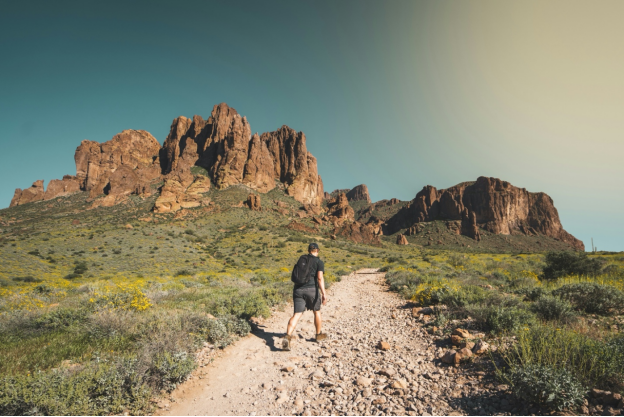
Sierra Vista is known for its mild temperatures, stunning mountain views, and over 280 sunny days a year. What many residents don’t realize is that the city’s 4,623-foot elevation quietly amplifies their UV exposure — making skin cancer screenings not just recommended, but essential.
Sierra Vista’s Altitude: A Hidden UV Risk Factor
Most people associate sun danger with heat — but UV radiation doesn’t follow the temperature. At Sierra Vista’s elevation, the atmosphere is thinner, which means it filters fewer harmful UV rays before they reach your skin. Research shows that UV radiation increases approximately 4–5% for every 1,000 feet of altitude gain. At nearly 4,700 feet, Sierra Vista residents can experience UV exposure that is roughly 20–25% more intense than at sea level — year-round, even on cooler days.
Combine that with Arizona’s southern latitude, low humidity, minimal cloud cover, and the area’s beloved outdoor lifestyle — hiking in the Huachuca Mountains, birding along the San Pedro River, golf, cycling — and the cumulative UV exposure for a Sierra Vista resident is substantial.
| 4,623 ft | Sierra Vista elevation — approx. 20–25% more UV than at sea level |
| 280+ | Sunny days per year in Sierra Vista |
| #1 | Skin cancer is the most common cancer in the United States |
When Should You Get Screened?
At Cochise Oncology, physicians recommend the following guidelines for Sierra Vista residents:
- Everyone 35 and older: At Cochise Oncology, our physicians recommend scheduling an annual full-body skin screening starting at age 35 — earlier than some national guidelines — given the elevated UV exposure at Sierra Vista’s altitude.
- High-risk individuals: Those with fair skin, light eyes, a family history of skin cancer, or frequent sun exposure should begin earlier.
- Outdoor workers and active residents: Hikers, military personnel at Fort Huachuca, cyclists, and anyone spending significant time outdoors should not wait for symptoms.
- Any new or changing skin spot: Don’t wait for your annual visit — get evaluated promptly.
Skin Cancer Screenings at Cochise Oncology
Cochise Oncology is Sierra Vista’s dedicated cancer care provider — and the largest full-service cancer treatment center between Tucson and Albuquerque. Their physicians perform comprehensive, head-to-toe skin cancer screenings, visually examining moles, birthmarks, blemishes, and lesions that could signal early-stage disease.
Screenings take less than an hour and are noninvasive. If a concerning spot is found, the team can perform an on-site biopsy — sending a tissue sample to a pathologist for confirmation. When caught early, many skin cancers are treated with a simple, minor procedure. The key is not waiting.
Between Screenings: Know Your ABCDEs
Monthly self-exams are a smart habit. Use the ABCDE method — watch for Asymmetry, irregular Borders, multiple Colors, a Diameter larger than a pencil eraser, and any Evolving changes over time. When in doubt, call Cochise Oncology.
What Types of Skin Cancer Should Sierra Vista Residents Know About?
There are three primary types of skin cancer. Basal cell carcinoma (BCC) is the most common type, developing slowly in sun-exposed areas like the face, neck, and scalp. It rarely spreads but requires treatment. Squamous cell carcinoma (SCC) originates in the upper skin layers and is also strongly linked to cumulative UV exposure — exactly the kind that builds up over years of outdoor living in Sierra Vista. Melanoma is less common but the most dangerous, capable of spreading to other organs if not caught early. The five-year survival rate when detected early is 99% — a statistic that underscores why annual screenings matter.
Additional Resources from Cochise Oncology
Want to learn more? Cochise Oncology has in-depth guides on related topics:
- Skin Cancer — Our full skin cancer services overview, including treatment options like Xoft® radiation therapy.
- Warning Sign of Skin Cancer — How to spot warning signs between annual screenings.
- Skin Cancer Screening Cost — What to expect financially from a skin cancer screening.
- How to Prevent Skin Cancer — Prevention strategies and sun safety tips from our oncology team.
Schedule Your Skin Cancer Screening at Cochise Oncology
Serving Sierra Vista and southeastern Arizona. Physician-led screenings, state-of-the-art facility, compassionate care — one call away.

 Powered by